%2Ffit-in%2F250x250%2Fguide_websites%2F19019%2Fimages%2F1727284592888457854735_10221938990904119_3541463993221996433_n-removebg-preview.png&w=1920&q=100)
Rainbow Trout and Salmon Caught on Lake Ontario
Lake Ontario Fishing - What to Expect
%2F%2Fusers%2F4ba7ff17-998b-47b5-9722-ffc8b6b72213%2Fimages%2Fhenderson-ny-charter-mixed-species-2608.jpeg&w=1920&q=75)
Fishing Charter by Captain Frank Kohlbach in June
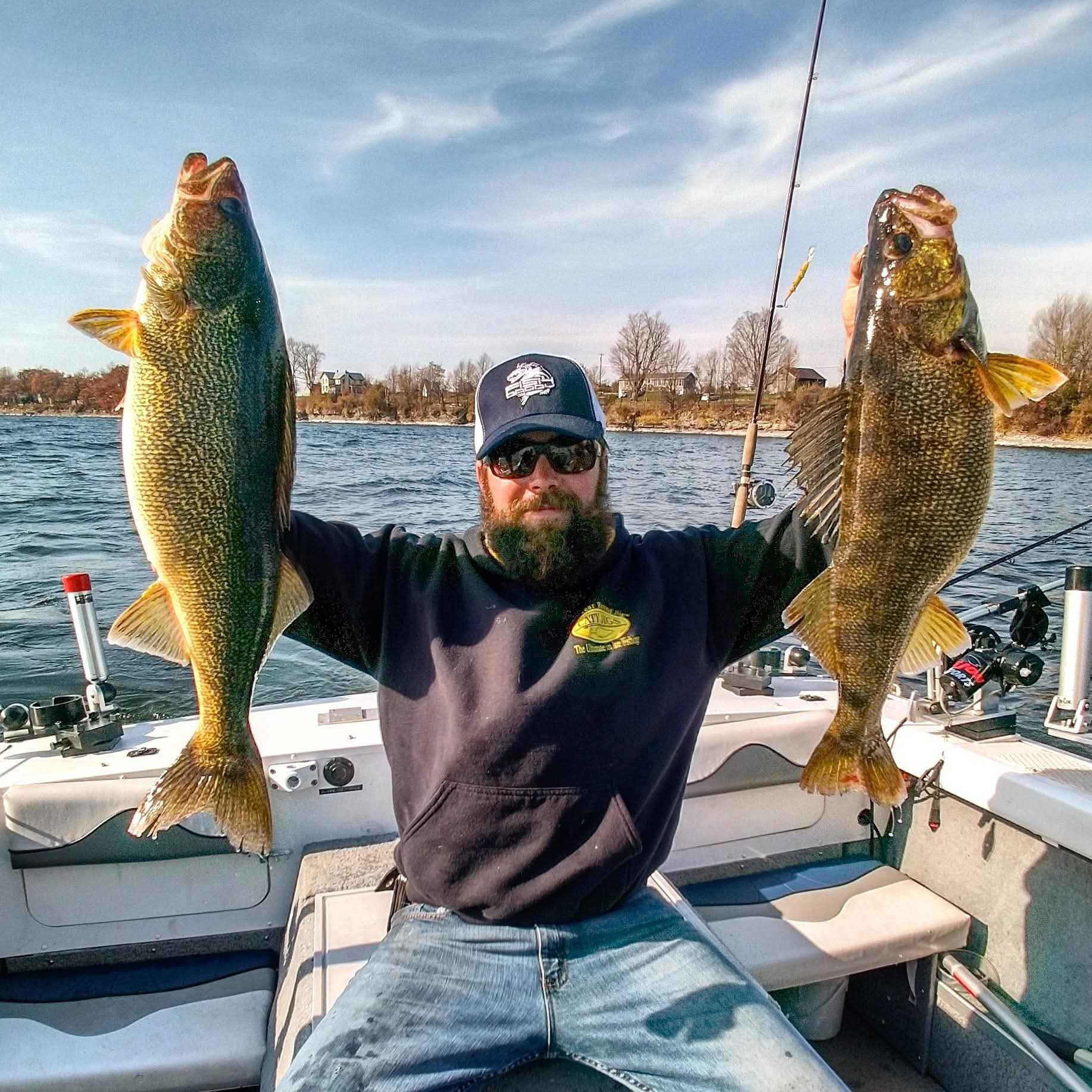
- Top-rated Fishing Charters in Lake Ontario


Summary
Experience a Lake Ontario fishing charter with Pondskipper Fishing Adventures on Tuesday, June 9. This guided fishing trip targets premium species including rainbow trout, Atlantic salmon, and walleye in one of the region's most productive fisheries. Learn species behavior and techniques from an experienced local guide.
Fishing Charter with Captain Frank Kohlbach - Rates & Booking
Captain Frank Kohlbach of Pondskipper Fishing Adventures operates fishing charters on Lake Ontario near Henderson, NY. On this Tuesday, June charter, anglers can pursue multiple trophy species in one of the Northeast's premier fishing destinations. Lake Ontario's cool, deep waters support sustained populations of rainbow trout, Atlantic salmon, and walleye that attract serious anglers year-round.
For specific rates, guest capacity, inclusions, and booking availability, contact Pondskipper Fishing Adventures directly. Inquire about what gear is provided, whether fishing licenses are included, and the charter duration to plan your Lake Ontario fishing experience.
Highlights of Lake Ontario Fishing Adventures
Lake Ontario offers diverse fishing opportunities across multiple depth zones and structure types. The charter targets three distinct species, each with unique habitat preferences and seasonal patterns. Rainbow trout and Atlantic salmon thrive in the lake's cooler waters, while walleye inhabit shallower regions near points and drop-offs. This species diversity means anglers experience varied techniques and presentations throughout the day.
The Henderson area provides convenient access to productive fishing grounds. Local expertise from experienced guides like Captain Kohlbach improves success rates by identifying current holding areas, understanding seasonal movements, and adjusting techniques to match daily conditions.
Local Species Insights: Rainbow Trout, Atlantic Salmon, and Walleye
Rainbow trout in Lake Ontario are migratory fish that move between shallow spawning tributaries and deep open water. These powerful swimmers prefer cooler temperatures found in offshore zones and are typically caught using trolling methods with spoons, plugs, or live bait presentations. Rainbow trout average 2-5 pounds in Lake Ontario, though larger specimens are possible. Their acrobatic runs and willingness to strike make them exciting quarry for both experienced and novice anglers.
Atlantic salmon represent another premium species in Lake Ontario. Stocked and naturally reproducing populations provide consistent fishing opportunities. Salmon inhabit similar deep-water zones as rainbow trout and respond to similar trolling presentations. These fish display aggressive feeding behavior when actively hunting baitfish and are known for explosive strikes and aerial displays. Salmon typically run slightly larger than rainbows, with 4-8 pound fish being common catches.
Walleye fishing near Henderson often focuses on shallower areas, structure, and lower-light periods. These bottom-dwelling predators hunt primarily at dawn, dusk, and night using their reflective eyes to maximize light sensitivity. Walleye respond well to jigging presentations, live bait rigs, and crankbaits that imitate natural forage. Unlike the acrobatic rainbow and salmon, walleye fights are characterized by head shakes, powerful runs, and determined bottom-hugging behavior.
Lake Ontario's water quality, depth profile, and seasonal temperature variations create ideal conditions for these species. The lake's substantial size provides vast fishing grounds, requiring local knowledge to locate productive areas efficiently. Captain Frank Kohlbach's experience navigating these waters and understanding seasonal patterns helps position anglers in the most productive zones.
Understanding each species' habitat preferences, feeding behavior, and seasonal movements directly impacts fishing success. Anglers who adapt presentations to target-species characteristics and water conditions consistently outperform those using generic approaches. This charter experience teaches practical species-specific techniques applicable to future Lake Ontario trips.
Plan Your Lake Ontario Fishing Day
Lake Ontario fishing charters typically depart from Henderson-area docks with experienced guides and well-maintained vessels. Bring layers for changing weather conditions on the open water. The lake's exposure means weather can shift quickly, making sun protection and wind-resistant clothing essential.
Most fishing charters accommodate multiple anglers, allowing fishing buddies and family members to participate together. Captain Kohlbach can advise on appropriate experience levels and skill requirements. Confirm whether tackle is provided or if you should bring personal equipment, and clarify any licensing requirements before booking.
Fishing in Lake Ontario: Steelhead Trout, Atlantic Salmon and Walleye

Steelhead Trout Overview
Steelhead trout (Oncorhynchus mykiss) belong to the family Salmonidae and order Salmoniformes, making them close relatives of salmon and other trout species. These magnificent anadromous fish are actually the sea-run form of rainbow trout, spending most of their adult lives in the ocean before undertaking epic upstream migrations to spawn in freshwater. What makes steelhead truly special is their remarkable transformation: while their freshwater rainbow trout cousins remain streamlined and colorful year-round, steelhead develop a striking silvery-brassy appearance with distinctive black spots earned from their time in saltwater environments. Found throughout coastal rivers and estuaries in northern America and beyond, steelhead represent one of the most challenging and rewarding game fish experiences for anglers. These fish can live up to 11 years and are known to spawn multiple times throughout their lifespans—a rare trait among Pacific salmon species. Whether you're exploring the Pacific Northwest or other steelhead-rich regions, encountering one of these powerful fighters is an experience that stays with you.
Steelhead Trout Habitat and Distribution
Steelhead trout thrive in cool, clean freshwater streams and rivers where they return annually to spawn, as well as in coastal estuaries and open ocean environments where they spend the majority of their adult years. These fish prefer areas with abundant cover including submerged wood, boulders, and aquatic vegetation that provide protection from predators and strong current. Their native range extends west of the Rocky Mountains throughout the Pacific Coast, but over the past century they've been introduced to most U.S. states and are now found on every continent except Antarctica. In their natal rivers, steelhead occupy tributaries with gravel beds suitable for spawning, while in the ocean they roam extensively through coastal waters and estuaries. The Pacific Northwest—including rivers in Washington, Oregon, and California—remains the steelhead capital of North America, though excellent populations now exist in the Great Lakes region and various other river systems nationwide. What makes steelhead habitat unique is the fish's need for both marine and freshwater environments; they require access to the ocean's abundance for growth and strength, yet must return to clean, cold rivers with suitable spawning substrate.
Steelhead Trout Size and Weight
Steelhead trout are impressive in their proportions, with the average specimen measuring around 24 inches in length and weighing between 2 to 8 pounds for typical catches. However, these fish can grow substantially larger, with documented specimens reaching up to 46 inches in length and tipping the scales at an impressive 35 pounds or more. The largest recorded steelhead on record weighed 55 pounds, representing the upper limit of this species' growth potential. Size variations depend on several factors including the specific river system, available food sources in the ocean, and how many years the fish spent in saltwater before returning to spawn. Generally, fish that spend three years in the ocean grow larger than their two-year ocean-dwelling counterparts. Females tend to be slightly smaller than males on average, and fish returning to spawn for the second or third time are often larger than first-time spawners. Regardless of size, every steelhead possesses the strength and determination that makes them legendary among anglers.
Steelhead Trout Diet and Behavior
Steelhead trout are opportunistic feeders with diverse dietary preferences that change throughout their life stages. Young steelhead primarily feed on zooplankton and small aquatic organisms in freshwater streams, while as they grow they consume small fish, aquatic insects, crustaceans, mollusks, and fish eggs. Once in the ocean, they become apex predators with access to abundant forage fish, allowing them to build the muscle mass and strength they're famous for. Interestingly, steelhead that have returned to freshwater to spawn often cease feeding or feed minimally, relying on stored energy reserves accumulated during their ocean years. These fish are highly migratory, displaying instinctual behavior that drives them to leave the ocean and return to their birth rivers during specific seasons. They're capable of leaping obstacles, enduring challenging freshwater conditions, and navigating complex river systems with remarkable precision. Steelhead are known for their aggressive, acrobatic fighting style when hooked, often launching themselves spectacularly into the air. Their behavior reflects their dual nature: adapted for the open ocean's abundance yet programmed by ancient instinct to return home to spawn.
Steelhead Trout Spawning and Seasonal Activity
Steelhead trout display one of nature's most remarkable behaviors: the epic spawning migration that defines their life cycle. These fish spend two to three years in the ocean growing strong and fat, then respond to environmental cues that trigger their return to natal freshwater rivers. The spawning season typically runs from mid-fall through spring, with peak activity varying by river system and geographic location. When steelhead return to rivers, they begin their upstream migration, sometimes traveling hundreds of miles against current and over obstacles to reach their spawning grounds. Upon arriving in suitable habitat, females excavate redds (nests) in gravel beds of tributaries and streams, depositing anywhere from 1,500 to 9,000 eggs depending on the female's size. Males guard territory and fertilize eggs, engaging in competitive displays with rival males. What distinguishes steelhead from most other Pacific salmon is their ability to spawn multiple times—some fish return to the ocean after spawning to recover and may return again in subsequent years. This polyandrous spawning strategy, combined with their extended lifespan of up to 11 years, makes them unique among anadromous fish. The fall and winter months represent peak steelhead fishing seasons in most river systems, when large numbers of fish are actively moving upstream.
Steelhead Trout Techniques for Observation and Capture
Anglers targeting steelhead employ several specialized and proven techniques, each suited to different conditions and water types. Fly fishing stands as the most celebrated method, particularly effective when swinging flies across current or drifting nymphs in deeper pools. A quality Spey rod or switch rod measuring around 13.5 feet and rated for 7-weight lines provides excellent control and distance; both double and single-handed fly rods work effectively. Popular steelhead fly patterns include Golden Demon, Skunk, Brad's Brat, Silver Hilton, Max Canyon, Surgeon General, Purple Peril, and Skykomish Sunrise—typically tied thinly in sizes 6 through 8. Dry fly fishing with bombers can also produce exciting surface takes during specific conditions. Drifting and plunking represent effective bait-and-hardware approaches, where anglers present eggs, small spinners, or specialized lures in likely holding water. Back trolling from boats covers significant water and works particularly well in larger rivers and estuaries. Around the Pacific Northwest, including popular steelhead destinations near Portland and Seattle, local guides recommend focusing your efforts on proven runs and holding pools during peak migration periods, typically October through March. The key to success involves understanding water temperature, flow conditions, and seasonal fish movement patterns—steelhead prefer water temperatures between 45-55°F and are most active during periods of moderate flow following rainfall events.
Steelhead Trout Culinary and Utilization Notes
Steelhead trout represent excellent eating fish, offering good odds for culinary use thanks to their firm, flavorful flesh that's rich in omega-3 fatty acids and quality protein. The meat typically displays a light orange to pink color, with a taste profile that falls between delicate trout and rich salmon—making it highly versatile for various cooking methods. Smoked steelhead is particularly prized, and the fish's substantial size means each fish provides generous fillets suitable for grilling, baking, poaching, or pan-searing. Nutritionally, steelhead offers significant health benefits including heart-healthy fats and important minerals. From a sustainability perspective, wild steelhead populations have faced pressures from dam construction and habitat degradation, though many river systems now feature active restoration and management programs. Check local regulations regarding which steelhead populations support harvest versus catch-and-release management, as this varies significantly by region. Hatchery-produced steelhead typically offer excellent table quality, while wild fish often command special respect among conservation-minded anglers who choose to release them.
Steelhead Trout Frequently Asked Questions
Q: What is the best bait or lure for catching steelhead trout?
A: The best approach depends on conditions and personal preference. For fly fishing, use thin-tied patterns in sizes 6-8 like Golden Demon or Purple Peril when swinging across current. For drifting, fresh roe bags or small spinners work effectively. In estuaries, small baitfish imitations and herring patterns produce well. Experiment with different presentations until you find what the fish prefer on your target river.
Q: When is the absolute best time to catch steelhead?
A: The prime steelhead fishing season runs from mid-fall through spring, with peak activity typically from October through March depending on river location. Look for activity immediately following rainfall events when rivers are slightly elevated and colored. Early morning and evening hours often produce more aggressive feeds than midday.
Q: How do I identify a steelhead trout versus a rainbow trout?
A: Steelhead display a distinctive silvery-brassy coloration with prominent black spots and a subtle pinkish-red stripe from gills to tail. Rainbow trout are more colorful overall with brighter red striping and typically lack the extensive spotting. Steelhead are also generally more streamlined and robust than their smaller freshwater cousins. Ocean-fresh steelhead appear exceptionally bright and silver, while spawning steelhead become darker.
Q: Is steelhead trout good to eat?
A: Absolutely—steelhead offers excellent culinary value with firm, flavorful flesh rich in omega-3 fatty acids. The meat typically displays a light orange to pink hue and works wonderfully whether smoked, grilled, baked, or pan-seared. However, check local regulations as some populations are managed for catch-and-release only to support wild species recovery.
Q: Where can I find steelhead in Washington or Oregon?
A: Prime steelhead habitat exists throughout the Pacific Northwest in rivers like the Rogue, Umpqua, and Deschutes in Oregon, and the Skagit, Skokomish, and Kalama in Washington. Coastal rivers and tributary systems provide excellent opportunities. Research specific rivers beforehand, check current conditions, and consider hiring a local guide for your first trip.
Q: How long do steelhead live?
A: Steelhead typically live up to 11 years in the wild, with most fish spending 2-3 years in the ocean before returning to spawn. Remarkably, they can spawn multiple times throughout their lives—some fish return to the ocean after spawning and come back again in subsequent years, unlike most Pacific salmon that die after their first spawn.
Atlantic Salmon Overview
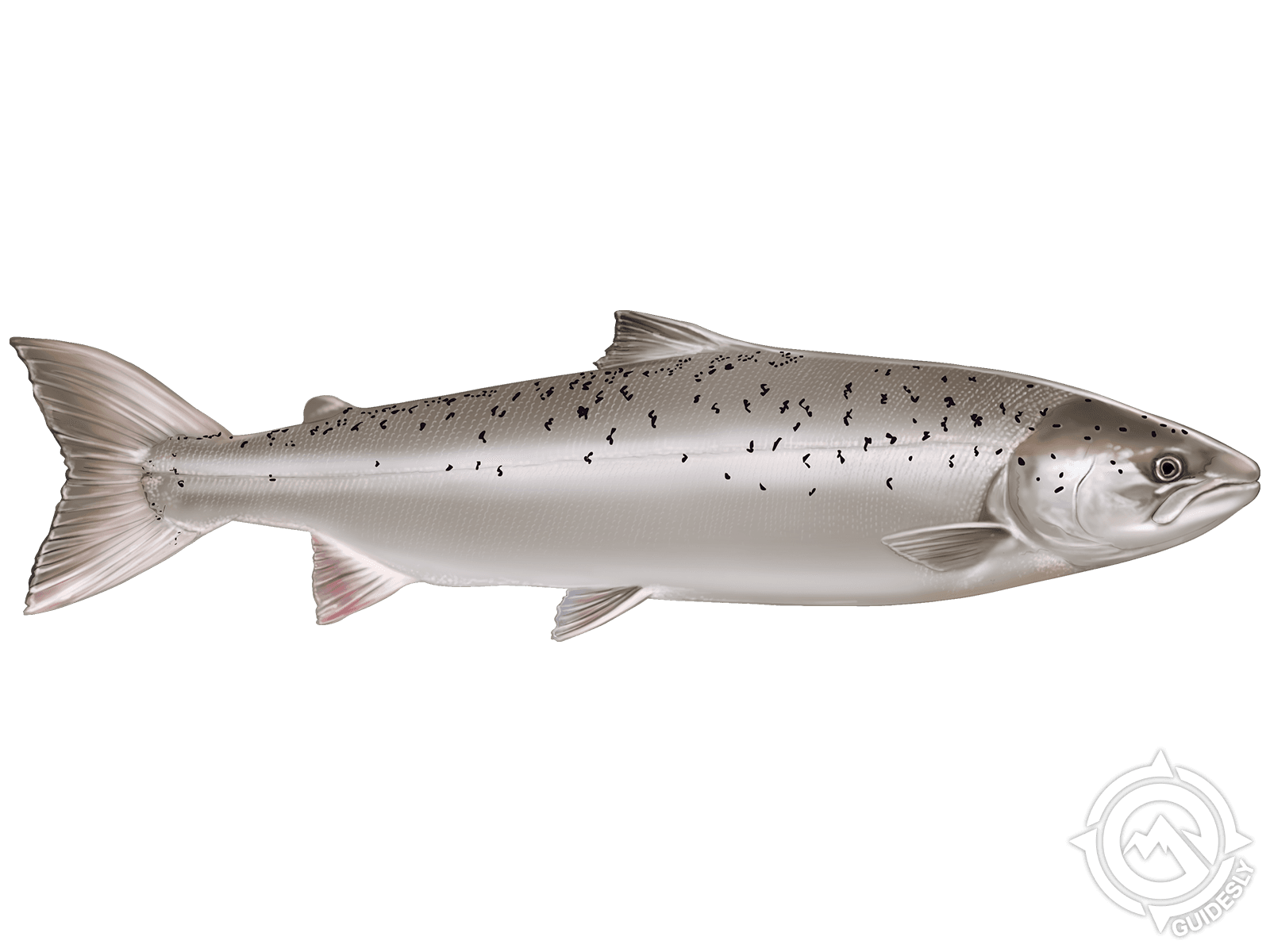
The Atlantic Salmon (Salmo salar), belonging to the family Salmonidae and order Salmoniformes, is one of the most iconic and sought-after fish species in North America. Distinguished by its sleek, elongated body with a forked tail and relatively small head, this remarkable fish is the only salmon species native to the Atlantic Ocean and the second-largest in the entire salmon family. What makes Atlantic salmon truly special is their anadromous nature—they're born in freshwater rivers and streams, migrate to the ocean to grow and feed for several years, then return to their natal waters to spawn. Unlike their Pacific cousins, Atlantic salmon can spawn multiple times throughout their lives, making them incredibly valuable to both recreational anglers and conservation efforts. In Maine and other northeastern regions, these silvery fighters are considered the king of fish due to their powerful leaping ability and thrilling fight once hooked.
Atlantic Salmon Habitat and Distribution
Atlantic salmon thrive in cold, pristine waters across the North Atlantic. Young salmon are born and spawn in freshwater bodies such as streams, rivers, and lakes throughout New England and the Maritime provinces, where they remain for approximately 2 to 3 years before migrating toward estuaries and finally into the Atlantic Ocean. They spend another 2 to 3 years at sea feeding and growing before the remarkable homing instinct calls them back to their birth water to complete the reproductive cycle. Historically, these magnificent fish were native to almost every river and stream north of the Hudson River in the United States. Sadly, due to habitat destruction, dam construction, and overfishing, most populations in New England have been eradicated. Today, the only native populations of Atlantic salmon remaining in the United States are concentrated in Maine, where dedicated conservation programs work tirelessly to restore and protect these declining stocks. Their distribution map reveals the stark reality of their decline, with thriving populations now limited primarily to Canadian Maritime provinces and Iceland.
Atlantic Salmon Size and Weight
Atlantic salmon typically grow to an average length of 28 to 30 inches, though specimens can range from 24 to 32 inches depending on their time spent at sea and local environmental conditions. Weight generally ranges from 8 to 12 pounds for typical catches, with larger individuals occasionally exceeding these averages. The largest Atlantic salmon tend to be older fish that have spent more time feeding in the nutrient-rich Atlantic waters. Sexual dimorphism is notable during spawning season, with males developing a pronounced hooked jaw called a kype, while females remain more streamlined. Size is often an indicator of age, with most spawning salmon being at least 4 to 6 years old, making each substantial catch a genuinely impressive achievement.
Atlantic Salmon Diet and Behavior
The dietary preferences of Atlantic salmon shift dramatically throughout their lifecycle. Juvenile Atlantic salmon in freshwater streams feed primarily on small insects and amphipods, developing their predatory skills in the cool, clear waters where they were born. Once they reach the ocean as smolts—transformed through a remarkable physiological process called smoltification—their diet expands to include herring, alewife, rainbow smelt, capelin, mummichogs, sand lances, flatfish, and small Atlantic mackerel. This oceanic feeding period allows them to grow rapidly and gain the strength necessary for their eventual upstream migration. During their freshwater spawning migration, however, Atlantic salmon typically cease feeding altogether, relying entirely on stored energy reserves. Behaviorally, these fish are highly intelligent and possess an extraordinary navigation ability, using geomagnetic cues and olfactory memory to locate their home rivers from thousands of miles away in the open ocean.
Atlantic Salmon Spawning and Seasonal Activity
The Atlantic salmon spawning cycle is one of nature's most dramatic migrations. Spawning typically occurs from November through January, with young salmon hatching in April after spending the winter protected in gravel nests. Salmon usually spawn at night, selecting pool ends or gravelly bottoms in their natal rivers. During spawning, males compete fiercely for mating opportunities, their hooked jaws clashing in spectacular battles. After the male fertilizes eggs deposited by females, the eggs are carefully covered to protect them from predators and disturbance. Unlike Pacific salmon, many Atlantic salmon survive spawning and return to the ocean to feed and regain strength, allowing them to spawn again in subsequent years—a remarkable adaptation that sets them apart. This partial repeat breeding capability means that a single Atlantic salmon might contribute to multiple generations of its population, increasing genetic diversity and population resilience.
Atlantic Salmon Techniques for Observation and Capture
Fly Fishing with the Swing Technique: One of the oldest and most effective methods for catching Atlantic salmon is the classic swing technique, still considered the gold standard among experienced anglers. This method involves casting your fly at approximately 45 degrees downstream, then allowing it to swing naturally with the current across the river pool. The fly choice is critical and should match water conditions—use larger flies on cold days and never forget black color patterns in your fly box. The color of your fly should closely match the water color you're fishing; in clear water, use lighter shades of greens and silvers, while darker, more opaque patterns work better in stained or peaty water. Around Maine's famous rivers like the Penobscot and Kennebec, experienced guides swear by this method during spring and fall runs.
Conventional Casting and Spinning: For anglers who prefer conventional tackle, small spoons, spinners, and plugs can be highly effective, particularly in slightly higher water conditions. Cast upstream or across-stream and retrieve with a steady, moderate pace, allowing the lure to wobble and flash in the current. Metal spoons in silver, gold, and copper finishes often provoke strikes from aggressive feeding fish, particularly during prime early morning or evening hours.
Location and Timing Strategy: Success with Atlantic salmon requires fishing the right spots at the right time. Focus on deep pools, current breaks behind large rocks, and the tails of established runs where salmon rest during their upstream migration. Early morning and late evening provide the most productive fishing windows, and water temperature is critical—fish are most active when water temperatures range between 45 and 60 degrees Fahrenheit. Spring (March through May) and fall (August through October) represent the prime fishing seasons in most northeastern rivers.
Atlantic Salmon Culinary and Utilization Notes
Wild Atlantic salmon is widely regarded as an excellent delicacy, commanding premium prices at seafood markets and restaurants worldwide. The flesh is distinctively orange or pink in color, with a rich, buttery flavor profile that reflects the fish's oceanic diet of herring and other forage species. Nutritionally, Atlantic salmon is exceptional, offering high levels of omega-3 fatty acids, lean protein, and essential vitamins and minerals that support cardiovascular health and cognitive function. The meat has a firm yet delicate texture that works beautifully prepared by smoking, grilling, poaching, or pan-searing. However, it's crucial to note that wild Atlantic salmon populations are currently significantly below target population levels due to historical overfishing and habitat loss. In the United States, both commercial and recreational Atlantic salmon fishing is officially listed as endangered, and fishing is currently prohibited. This conservation status makes these fish more valuable as living, breeding populations than as food resources, highlighting the importance of supporting restoration efforts in Maine and other key habitats.
Atlantic Salmon Frequently Asked Questions
Q: What is the best bait or fly for Atlantic salmon?
A: For fly fishing, select patterns that match the water color and season. Classic patterns like the Green Highlander, Rusty Rat, and Blue Charm have proven effective for generations. Use larger flies (size 2-6) in cold water and smaller sizes (8-10) in warmer conditions. If using conventional tackle, small silver or gold spoons cast upstream work exceptionally well.
Q: Where can I find Atlantic salmon near Maine and other New England locations?
A: The Penobscot River, Kennebec River, and Narraguagus River in Maine represent your best opportunities for encountering wild Atlantic salmon in the United States. These rivers receive regular stocking efforts and natural runs, making them prime destinations for anglers. Always check current regulations and consult with local guide services, as some areas may be catch-and-release only.
Q: Is Atlantic salmon good to eat, and is it sustainable to harvest?
A: Wild Atlantic salmon is excellent eating with rich, nutritious flesh. However, wild populations are critically endangered, and recreational fishing is currently prohibited in the United States. If you wish to enjoy Atlantic salmon, consider responsibly farmed options instead, which allows wild populations the opportunity to recover without additional harvest pressure.
Q: When is the best time to observe or catch Atlantic salmon?
A: Spring (March through May) and fall (August through October) represent the peak fishing seasons when salmon are actively migrating upstream. Fish are most active during early morning hours and late evening, and water temperature should ideally be between 45 and 60 degrees Fahrenheit for optimal results and fish behavior.
Q: How does the Atlantic salmon's homing ability work?
A: Juvenile Atlantic salmon undergo a remarkable transformation called smoltification, during which they develop an internal homing beacon. This process involves imprinting their natal stream's unique chemical signature, combined with geomagnetic navigation abilities that allow them to traverse thousands of miles of open ocean and unerringly return to spawn in the exact river where they were born.
Q: Why are Atlantic salmon populations so depleted, and what's being done to help?
A: Historical overfishing, habitat destruction from dam construction, pollution, and climate change have devastated wild Atlantic salmon populations. Today, extensive restoration efforts in Maine and Canada focus on dam removal, habitat restoration, hatchery programs, and strict fishing regulations. Supporting conservation organizations dedicated to Atlantic salmon restoration directly contributes to these critical recovery efforts.
Walleye Overview
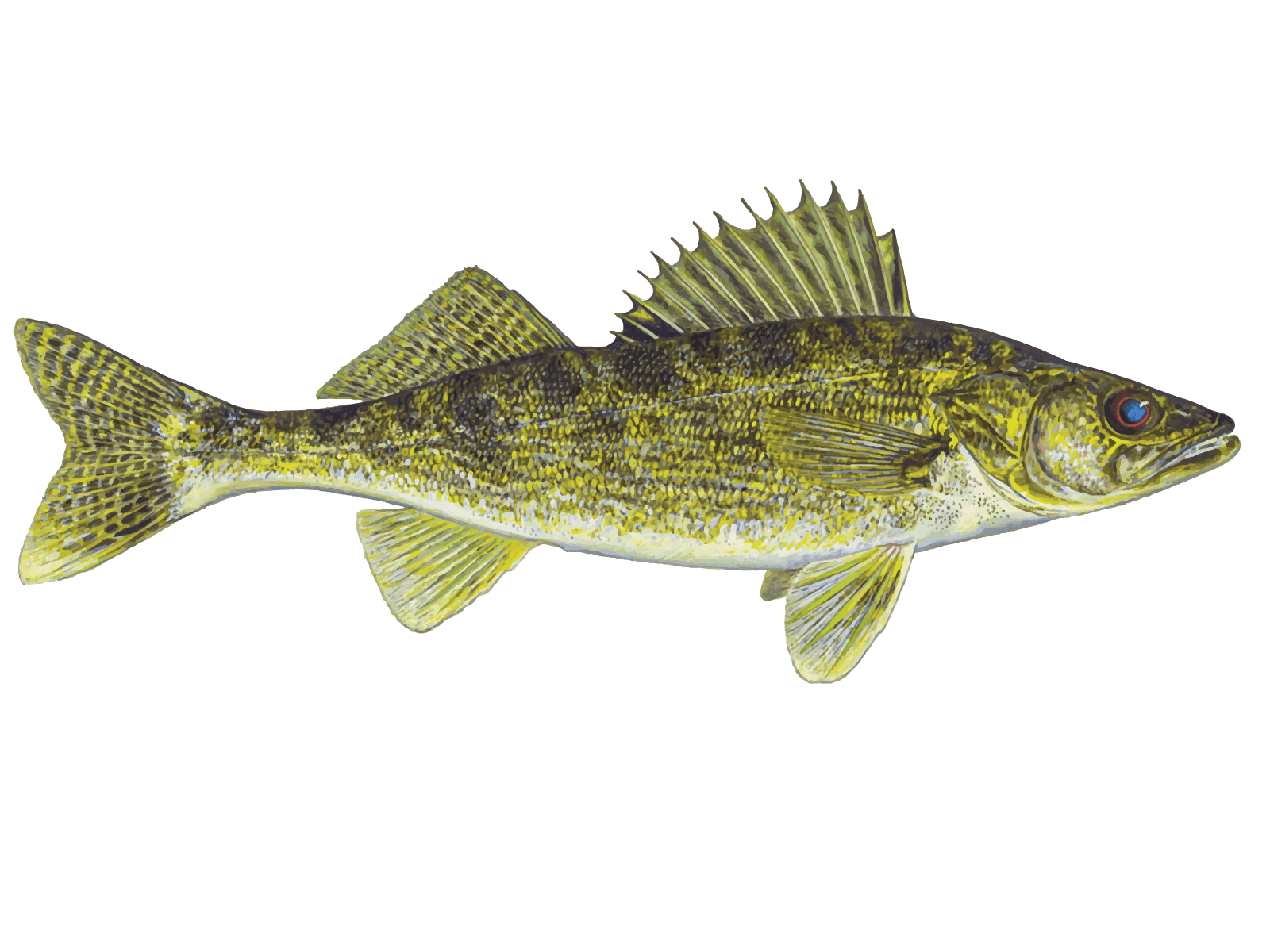
The Walleye (Sander vitreus) is a freshwater game fish belonging to the family Percidae and order Perciformes, making it a close relative of perch and pike-perch species worldwide. What makes this fish truly remarkable is its distinctive large eyes with a reflective silver layer called the tapetum lucidum, which gives walleye their characteristic glowing appearance and exceptional low-light vision. These sleek, conical-bodied predators boast golden and olive coloring with pale white bellies, and they've become one of North America's most sought-after game fish. From the pristine waters of Lake of the Woods to local lakes and river systems across the continent, walleye are celebrated equally by anglers pursuing trophy catches and home cooks seeking exceptional table fare. Whether you're casting lines at dusk or planning your next fishing adventure, the walleye represents the perfect blend of challenge, beauty, and culinary reward.
Walleye Habitat and Distribution
Walleye thrive in diverse freshwater environments, from small to large rivers and both shallow and deep lakes. These fish demonstrate specific preferences for their surroundings, typically seeking out sand, rock, or gravel bottoms where they can hunt effectively. During daylight hours, walleye retreat to deeper water columns, using weeds, timber, and submerged structures for cover. In river systems, they establish themselves in deep holes and drop-offs during the day, then venture into shallows under the cover of darkness to hunt for food. Their comfort zone lies at water temperatures around 70 degrees Fahrenheit, though they can tolerate a range between 32 and 90 degrees.
Geographically, walleye are native to waters from the Arctic regions south of Canada down through the Great Lakes and extending east to the St. Lawrence River systems. Lake Erie stands as one of the most legendary walleye fishing destinations in North America. However, the true crown jewel is Lake of the Woods and the Rainy RiverWalleye Capital of the World. These breathtaking waters attract anglers year-round seeking record-breaking catches. Over recent decades, walleye have been artificially introduced into lakes and reservoirs throughout North America, expanding fishing opportunities far beyond their native range and making them accessible to enthusiasts across the continent.
Walleye Size and Weight
Adult walleye typically range from 12 to 30 inches in length, with trophy specimens occasionally exceeding 42 inches. Weight generally falls between 1 pound for smaller individuals to approximately 10 pounds for impressive catches, though the largest recorded walleye have reached weights around 20 pounds. Females generally grow larger than males, and in pristine, well-managed fisheries with minimal harvest pressure, these fish can reach truly exceptional sizes. The sleek, streamlined body shape and conical head lined with sharp teeth make walleye instantly recognizable and perfectly adapted for their predatory lifestyle.
Walleye Diet and Behavior
Walleye are strictly nocturnal predators, meaning they feed primarily during low-light conditions—dawn, dusk, and throughout the night. Adult walleye feed almost exclusively on other fish species, actively hunting minnows, shiners, and other small forage fish. Young walleye have more diverse diets, consuming small crustaceans and insects, particularly mayflies, as they develop. This dietary preference for living prey directly influences successful angling techniques and bait selection.
These fish are highly mobile, responding to light levels and temperature changes throughout the day and across seasons. During midday, they disappear into deep, structure-rich areas to avoid bright light, which their sensitive eyes find uncomfortable. As evening approaches and light diminishes, walleye become increasingly active and begin moving toward shallow feeding zones. This behavior pattern is so predictable that experienced anglers plan their outings around these feeding windows. Their nocturnal nature also makes them less susceptible to fishing pressure during daylight hours, rewarding patient anglers who time their efforts during prime feeding periods.
Walleye Spawning and Seasonal Activity
Walleye typically spawn in spring when water temperatures begin warming, usually between April and May in most northern regions. During this period, they migrate to shallow rocky areas or gravel bars to reproduce, making them more accessible to anglers during these critical weeks. After spawning, walleye gradually move into their summer patterns, establishing themselves in deeper structure.
Summer brings a shift to deeper waters during the heat of the day, with evening and night feeding becoming more pronounced. Fall introduces another transition period as cooling water temperatures trigger increased feeding activity and movement. Winter finds walleye in deeper holes and under the ice, where they continue feeding but at reduced rates. Understanding these seasonal patterns helps anglers anticipate where to find active walleye throughout the year.
Walleye Techniques for Observation or Capture
Evening Jig and Minnow Technique: The most reliable method for walleye success involves fishing jigs tipped with live minnows during the evening and night hours. Work your jig along rocky structure, weed edges, and bottom contours at depths between 10 and 30 feet. Cast parallel to structure, maintaining contact with the bottom through a steady jigging motion. This technique works exceptionally well around Lake of the Woods and similar environments where rocky transitions create prime walleye habitat.
Live Bait Rig Trolling: Deploy a live bait rig consisting of a 1⁄4 to 1⁄2 pound sinker, a swivel, a 3 to 6 foot leader of 6-pound test line, and a No. 4 or 6 hook. Attach live minnows, nightcrawlers, or leeches and troll slowly along the bottom, covering different depths and structure types to locate feeding fish. This methodical approach works particularly well in lake systems where walleye suspend at varying depths depending on forage availability.
Nighttime Shallow Water Hunting: After dark, position yourself in water depths of 3 to 8 feet near weed beds, structure, and drop-offs. Use minnow-style crankbaits or soft plastics retrieved slowly and deliberately. The reduced light gives these sensitive-eyed predators confidence to hunt in shallow water where prey concentrates. This technique can be explosive during peak feeding periods and is especially productive around established fishing areas.
Walleye Culinary and Utilization Notes
Walleye consistently ranks among North America's finest eating fish, earning its reputation through superior flavor and texture. The firm, flaky meat boasts a mild, delicate taste with subtle sweetness and buttery notes that appeal to diverse palates. This versatility makes walleye suitable for virtually any cooking method—frying, grilling, baking, or poaching—and pairs beautifully with herbs, spices, and light sauces.
Beyond flavor, walleye delivers impressive nutritional benefits. The meat is rich in omega-3 fatty acids, which reduce inflammation and support cardiovascular health. It provides substantial B vitamins crucial for energy metabolism and nervous system function, plus selenium for immune support and oxidative protection. Walleye also maintains low mercury levels and minimal harmful contaminants, making it a safe choice for regular consumption. When preparing walleye fillets, carefully remove skin and bones to ensure a clean, appetizing presentation. The result is a nutritious, delicious meal that satisfies both refined taste and health-conscious diners.
Walleye Frequently Asked Questions
Q: What is the best bait for catching walleye?
A: Live bait consistently outperforms artificial lures for walleye. Minnows (shiners or shad), nightcrawlers, and leeches are the top choices. Fish these live baits on jigs, live bait rigs, or simple hook-and-sinker setups near the bottom and around structure. Live minnows around 2 to 3 inches work especially well for trophy-sized fish.
Q: Where can I find walleye near popular fishing destinations?
A: Lake of the Woods and the Rainy River are world-renowned walleye hotspots, but excellent fishing also exists in the Great Lakes region, particularly Lake Erie. Many Midwestern lakes and Canadian waters host healthy populations. Check local fishery reports and connect with guide services to identify current productive locations in your area.
Q: Is walleye good to eat?
A: Absolutely. Walleye is considered one of the best freshwater eating fish available. The mild, flaky, buttery flavor appeals to most people, and the firm texture holds up well to any cooking method. It's also nutrient-dense with omega-3s, B vitamins, and selenium, making it both delicious and nutritious.
Q: When is the best time to catch walleye?
A: Walleye feed most actively during low-light periods—early morning, evening, and throughout the night. Plan fishing trips starting in the evening and extending after dark for peak success. Spring and fall months often produce excellent results as water temperatures favor increased feeding activity.
Q: How old can walleye live?
A: Under ideal conditions with minimal fishing pressure, walleye can live for decades, with the oldest recorded specimen reaching 29 years of age. However, in heavily fished waters, walleye typically don't survive past 5 to 6 years. This variability emphasizes the importance of sustainable fishing practices.
Q: What size walleye should I target?
A: Most recreational anglers keep walleye between 15 and 24 inches, which offer excellent eating while maintaining breeding populations. Trophy hunters pursue fish exceeding 28 inches, but these larger specimens are increasingly rare. Always check local regulations regarding minimum and maximum keeper sizes, as these limits protect fishery health and ensure future generations can enjoy walleye fishing.