%2Ffit-in%2F250x250%2Fguide_websites%2F19019%2Fimages%2F1727284592888457854735_10221938990904119_3541463993221996433_n-removebg-preview.png&w=1920&q=100)
Atlantic Mackerel Fishing Charter in Henderson NY
Atlantic Mackerel Fishing in Lake Ontario - What to Expect
%2F%2Fusers%2F4ba7ff17-998b-47b5-9722-ffc8b6b72213%2Fimages%2Fhenderson-ny-fishing-charter-display-2541.jpg&w=1920&q=75)
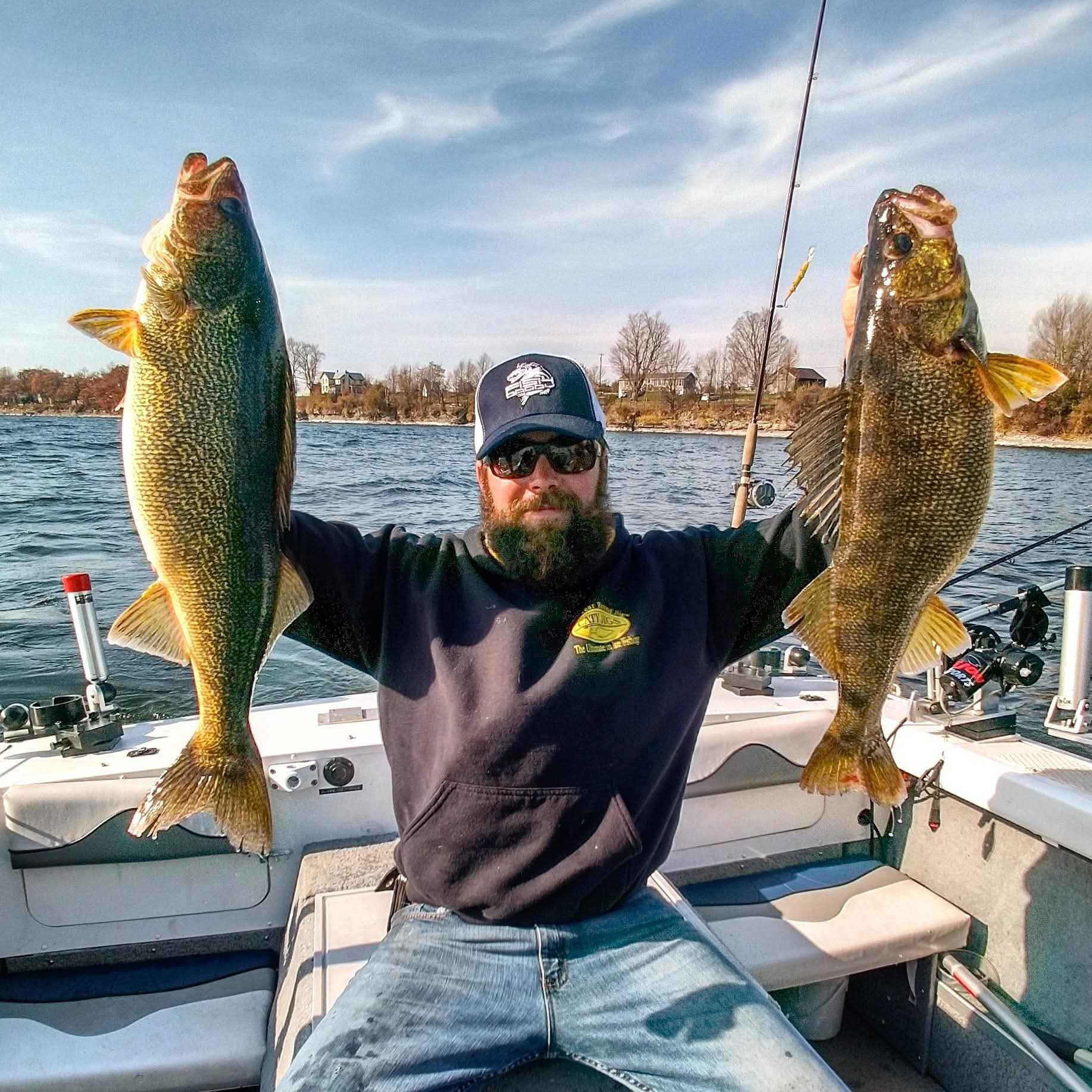
Fishing Charter by Captain Frank Kohlbach in July
- Top-rated Fishing Charters in Lake Ontario


Summary
Join Captain Frank Kohlbach of Pondskipper Fishing Adventures for an unforgettable fishing charter on Lake Ontario in Henderson, NY. This Wednesday in July offers prime conditions for targeting Atlantic Mackerel and other sought-after species. Experience expert guidance, proven fishing techniques, and the thrill of landing quality catches on one of New York's most productive waters.
Fishing Charter with Captain Frank Kohlbach - Rates & Booking
Captain Frank Kohlbach of Pondskipper Fishing Adventures on Wednesday, July 29, offers a professional fishing charter experience on Lake Ontario near Henderson, NY. This guided fishing trip puts you on productive waters where Atlantic Mackerel and other game fish are actively feeding. Captain Frank brings decades of local knowledge and proven techniques to maximize your catch success and ensure a memorable day on the water.
Book your fishing charter with Pondskipper Fishing Adventures to secure your spot. The charter accommodates multiple anglers and includes expert guidance from a licensed captain who knows Lake Ontario's seasonal patterns, prime fishing zones, and the behavior of Atlantic Mackerel and other targeted species. All essential fishing expertise and local insights are provided throughout your trip.
Highlights of Your Lake Ontario Fishing Charter
Lake Ontario presents exceptional opportunities for Atlantic Mackerel fishing, particularly during summer months when these powerful fish are abundant and aggressive. You'll experience the raw excitement of quality strikes, the strategic challenge of reading the water, and the satisfaction of landing multiple fish on a productive charter day.
The fishing grounds near Henderson offer a blend of structure and open water that consistently produces results. Captain Frank's expertise in locating feeding fish and adjusting techniques to match current conditions ensures you're fishing where the action is happening, not just hoping for luck.
Local Species Insights: Atlantic Mackerel
Atlantic Mackerel are among Lake Ontario's most rewarding game fish, prized for their aggressive strikes, powerful runs, and acrobatic fight. These streamlined predators are built for speed, with their distinctive blue-green coloring and silver sides providing camouflage in open water. Mackerel are highly migratory fish that follow forage fish populations, making them active and competitive feeders.
On Lake Ontario, Atlantic Mackerel are typically found in deeper, cooler waters during peak summer. They respond well to both live bait and artificial lures, offering multiple fishing approaches throughout the day. Their appetite and willingness to strike make them ideal for both experienced anglers and those new to charter fishing. The fight itself is memorable - Mackerel don't give up easily, making every catch a genuine accomplishment.
Captain Frank understands the seasonal movements of Lake Ontario's Mackerel populations and adjusts fishing locations and techniques accordingly. Whether you're targeting schooling fish on the surface or working deeper structures, his knowledge ensures you're using methods proven effective for the conditions you'll encounter on the day of your charter.
The experience of fighting a quality Atlantic Mackerel combines technical skill with the pure adrenaline of sport fishing. These fish demand respect and attention, rewarding anglers who stay focused and react quickly to feeding opportunities.
Plan Your Fishing Day
Your fishing charter includes professional guidance and local expertise focused entirely on your success. Multiple anglers fish together, creating a collaborative and social atmosphere while maintaining focus on productive fishing. Captain Frank manages the charter pace, making location adjustments based on real-time conditions and fish activity.
Lake Ontario fishing conditions can shift throughout the day, and an experienced charter captain capitalizes on these changes. You'll learn practical fishing skills while enjoying the natural beauty of the lake and the camaraderie of fellow anglers. Whether conditions favor surface fishing or deeper techniques, the charter adapts to maximize your opportunities for landing Atlantic Mackerel and other species.
Fishing in Lake Ontario: Atlantic Mackerel

Atlantic Mackerel Overview
The Atlantic Mackerel (Scomber scombrus) is a sleek, fast-moving member of the Scombridae family within the order Perciformes, and it's one of the most exciting fish to encounter in temperate Atlantic waters. Known for their metallic-blue to green backs adorned with distinctive wavy vertical bars, these fish transition to silvery sides and white bellies, making them instantly recognizable when they're fresh from the water. What truly sets them apart is their incredible speed—they can swim at impressive velocities and are famous for forming massive schools that stretch for miles, sometimes reaching into the hundreds or thousands of individuals. They're highly migratory, which means they're not always in the same spot, but when you find a school, you've hit the jackpot for an unforgettable fishing adventure.
Atlantic Mackerel Habitat and Distribution
Atlantic Mackerel thrive in the cool, temperate waters of the Northern Atlantic, abundant along most coastal regions from Labrador in Canada all the way down to North Carolina. These pelagic schooling fish are pretty widespread across both sides of the Atlantic, though they tend to stay closer to the northern coasts, especially during warmer seasons. As water temperatures drop in winter, they migrate to deeper offshore waters, then return to nearshore environments come spring and summer. You'll find them in both nearshore and offshore habitats depending on the season, and their migratory nature means they can be challenging to pinpoint, but understanding their seasonal movements greatly improves your chances of success. Summer months are prime time when schools move into shallower coastal waters, making them more accessible to anglers and observers alike.
Atlantic Mackerel Size and Weight
Most Atlantic Mackerel you'll encounter average around one foot in length and weigh approximately four pounds, making them a manageable and spirited catch. However, these fish can grow larger—typical catches range from 14 to 24 inches, with weights between 1 and 3 pounds being common. The largest recorded specimens have reached up to two and a half feet long and weighed slightly over three pounds, though such catches are relatively rare. Their streamlined, slender bodies narrow as they taper toward their distinctive forked tail, which is perfectly designed for the speed and agility they're known for. Despite their modest size compared to other game fish, their aggressive feeding behavior and swift movements make them pound-for-pound exciting and challenging opponents on the line.
Atlantic Mackerel Diet and Behavior
These fish are voracious eaters with aggressive appetites, primarily feeding on copepods, krill, and shrimp throughout most of their lives. As they mature and opportunities arise, they'll readily consume squid and smaller fish species as well. Atlantic Mackerel are mostly active during daylight hours, making daytime fishing your best bet for success. Their schooling behavior is legendary—they're rarely found alone and instead operate as tight-knit groups that can number in the thousands, offering both safety in numbers from numerous predators and an incredible spectacle when they move through the water. This schooling behavior also means that once you hook into one, there are likely many more nearby, and multiple catches in succession are quite common. They're known as aggressive eaters, meaning they strike hard and fast at appropriately presented baits or lures, which is why anglers find them such rewarding targets.
Atlantic Mackerel Spawning and Seasonal Activity
Spawning season typically occurs during spring and summer months when Atlantic Mackerel congregate near coastal areas to breed. Females are remarkably prolific, with a single individual capable of releasing between 5 and 7 batches of eggs throughout a single spawning season, potentially producing as many as 450,000 eggs total. The eggs hatch into larvae that initially drift passively in surface waters, feeding on their yolk sacs for approximately forty days until they reach the juvenile stage and develop the ability to swim independently. These young fish reach sexual maturity relatively quickly—in just two years—allowing populations to replenish if fishing pressure isn't excessive. Their seasonal migration is dramatic and predictable: they hug the coasts during warmer months when food is abundant and spawning occurs, then retreat to deeper waters as temperatures drop, making summer your prime window for both fishing and observation activities.
Atlantic Mackerel Techniques for Observation or Capture
Light Tackle Spinning: This is the most accessible method for shore-based and small boat anglers. Equip yourself with a light spinning rod paired with a small fixed spool reel loaded with 15-pound monofilament line or braid—this allows you to immediately feel the aggressive tug when you hook one. Use small artificial lures that resemble shiny baitfish; Atlantic Mackerel find these irresistible and will strike with confidence. Cast into schooling activity and work your retrieve with a steady pace; these fish respond well to movement and flash.
Trolling and Mid-Water Techniques: For offshore encounters, troll small shiny spoons or metal jigs at moderate speeds through known school locations. Mackerel often suspend at mid-water depths, so adjust your trolling depth based on sonar readings or known bottom contours. This method covers more water and helps you locate active schools efficiently.
Observation and Locating Schools: Watch for surface disturbances, diving birds, and feeding activity—these are telltale signs of mackerel schools beneath. Around coastal cities like Boston and Portland, summer months bring massive schools right into harbor areas and nearshore zones. Local charter boats and fishing reports are invaluable for pinpointing current school locations, which change daily based on food availability and water conditions.
Atlantic Mackerel Culinary and Utilization Notes
Atlantic Mackerel has earned a well-deserved reputation for its tasty and healthy meat, making it an excellent choice for the table. The flesh contains impressive levels of omega-3 fatty acids, which support cardiovascular and cognitive health, and the rich, oily texture provides excellent flavor whether you're grilling, baking, or smoking your catch. The meat is firm and holds up well to various cooking methods, and many experienced anglers consider fresh mackerel a delicacy far superior to its farm-raised counterparts. However, it's worth noting that populations have declined in recent decades due to overfishing, so responsible harvest practices matter. Check current fishing regulations, as many regions now implement annual catch allocations split between sports anglers and commercial fishers, with commercial permits being limited. Respecting these limits ensures future generations can enjoy this remarkable species.
Atlantic Mackerel Frequently Asked Questions
Q: What is the best bait or lure for catching Atlantic Mackerel?
A: Small shiny artificial lures that mimic baitfish are highly effective, as are small spoons and metal jigs. If using live bait, small herring, sand eels, or other baitfish work well. The key is presentation with movement and flash—mackerel are aggressive feeders that respond to active, visible prey.
Q: Where can I find Atlantic Mackerel near major northeastern cities?
A: In summer months, massive schools move into nearshore waters along the entire northeastern coast. Around Boston, Cape Cod, and Portland, look for them in coastal harbors, near rocky points, and along deep-water drop-offs. Local fishing reports and charter captains provide real-time location data that's invaluable for planning your trip.
Q: Is Atlantic Mackerel good to eat?
A: Absolutely. Atlantic Mackerel is considered good eating with rich, flavorful meat that's high in omega-3 fatty acids. The fish is versatile in the kitchen—excellent grilled, baked, smoked, or pan-seared. Fresh mackerel from the day's catch is a treat that many anglers consider superior to store-bought alternatives.
Q: When is the best time to catch Atlantic Mackerel?
A: Summer months are prime time, particularly June through September, when massive schools move into coastal waters and are most accessible to anglers. Daytime fishing is most productive since these are primarily diurnal feeders. Water temperatures between 50-65 degrees Fahrenheit bring them into nearshore environments where you can effectively target them.
Q: How fast can Atlantic Mackerel swim?
A: These fish are among the fastest swimmers in the ocean, capable of reaching speeds of approximately 5.5 meters per second (roughly 12 miles per hour). Their streamlined bodies and powerful tail fin make them incredibly agile and efficient predators that can chase down prey with impressive acceleration.
Q: Why do Atlantic Mackerel form such large schools?
A: Schooling behavior provides multiple advantages: predator avoidance through safety in numbers, improved feeding efficiency as groups locate food sources together, and coordinated migration to optimal habitats seasonally. When you encounter a school, you're witnessing a sophisticated social structure that's been refined through millions of years of evolution, and it's one of nature's most spectacular displays of collective behavior in marine environments.