%2Ffit-in%2F250x250%2Fguide_websites%2F19019%2Fimages%2F1727284592888457854735_10221938990904119_3541463993221996433_n-removebg-preview.png&w=1920&q=100)
Lake Trout and Sauger Fishing Charter in Henderson NY
Lake Trout and Sauger Fishing in Henderson - What to Expect
%2F%2Fusers%2F4ba7ff17-998b-47b5-9722-ffc8b6b72213%2Fimages%2Fhenderson-ny-lake-trout-charter-2813.jpg&w=1920&q=75)
Fishing Charter by Captain Frank Kohlbach in June
- Top-rated Fishing Charters in Lake Ontario


Summary
Join a thrilling fishing charter on Lake Ontario in Henderson, NY, where Captain Frank Kohlbach of Pondskipper Fishing Adventures delivers action-packed days targeting lake trout and sauger. This charter showcases the excitement of landing multiple trophy-class species in one of the region's premier fishing destinations.
Fishing Charter with Captain Frank Kohlbach - Rates & Booking
Captain Frank Kohlbach of Pondskipper Fishing Adventures led an incredible Thursday, June fishing charter on Lake Ontario near Henderson, NY. This action-packed day delivered multiple lake trout and sauger catches that had the group fired up from start to finish. The charter showcases the kind of fast-paced, productive fishing that makes Lake Ontario a premier destination for anglers seeking trophy freshwater species.
Whether you're targeting consistent sauger action or working for that trophy lake trout bite, this charter experience delivers real results. Captain Frank's knowledge of Lake Ontario's structure and seasonal patterns keeps the group on active fish throughout the day. The charter is designed for serious anglers ready to put in the work and experience the thrill of multiple hook-ups.
Booking your spot with Pondskipper Fishing Adventures means gaining access to proven tactics, prime fishing locations, and a guide who lives and breathes this fishery. Contact the company directly to reserve your date and get full details on inclusions, group size options, and rates for your Lake Ontario adventure.
Highlights of Lake Ontario Fishing
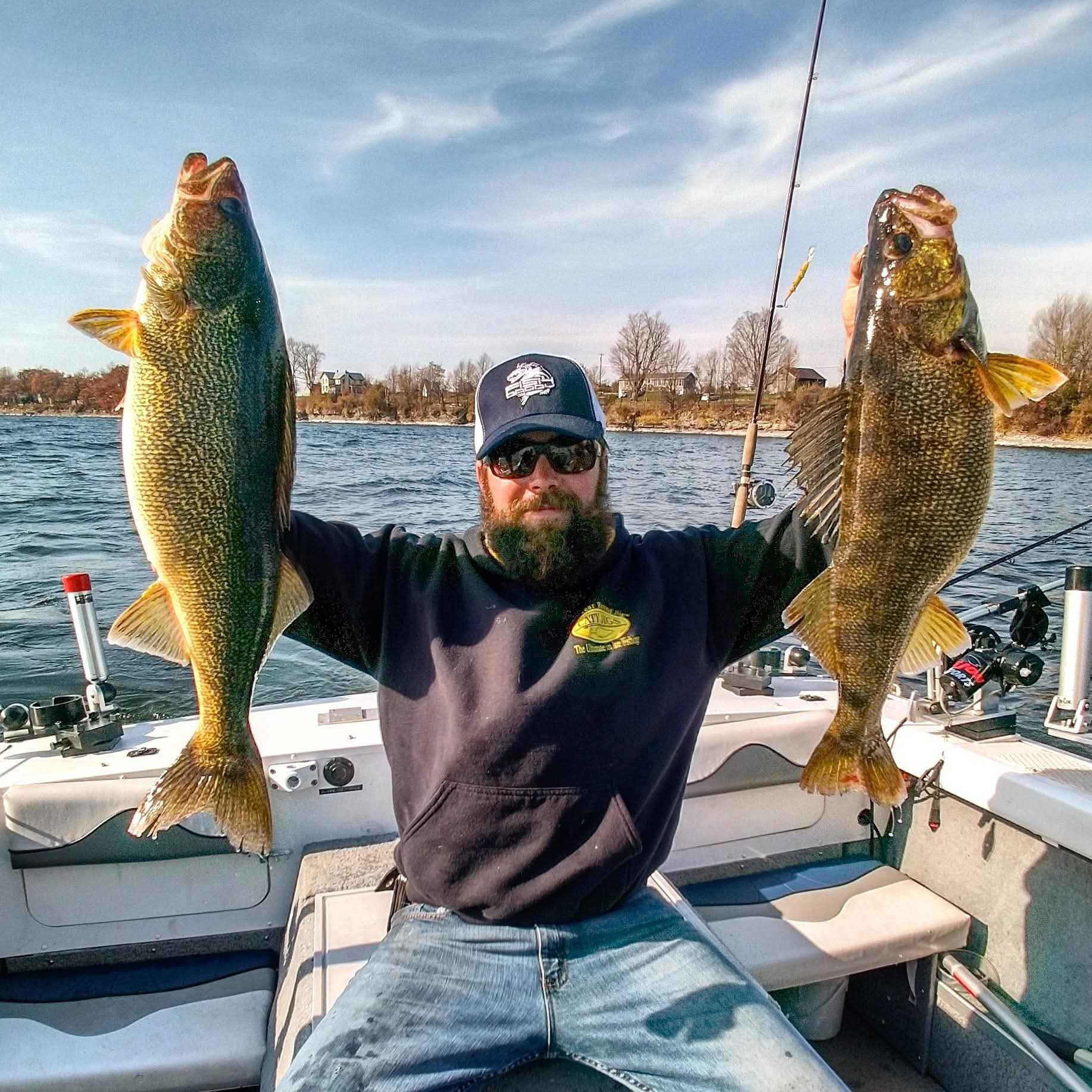
This charter display tells the story of a day packed with excitement. The combination of lake trout and sauger in the catch means diversified action and strategic depth changes that keep anglers engaged. Lake Ontario's cold, deep waters produce hard-fighting fish that test your skills and gear. The group's energy visible in this display captures the momentum of back-to-back catches and the satisfaction of a productive day on the water.
Multiple anglers on deck, multiple species landed, and multiple moments of pure fishing adrenaline define what makes this charter memorable. The display board presentation shows respect for the resource and celebration of a day well executed. That's the kind of experience Captain Frank delivers consistently throughout the season.
Local Species Insights: Lake Trout and Sauger
Lake Ontario's deep, cold waters create the ideal habitat for lake trout year-round. These powerful fish thrive in temperatures where many other species struggle, making them a cornerstone of the lake's fishery. Lake trout are structure hunters, relating to deep drop-offs, rocky bottom, and offshore humps where cooler water and abundant baitfish intersect. They're aggressive feeders willing to chase down lures and live bait with intensity. Their silver-and-gray coloring with characteristic spots helps them blend into the open water, but their fighting ability is unmistakable once hooked.
Sauger are equally at home in Lake Ontario's environment. Often confused with walleye due to their similar appearance, sauger are more aggressive hunters and thrive in the slightly deeper, current-influenced zones of the lake. They're ambush predators that position themselves to intercept baitfish migrations. Sauger have excellent low-light vision, making early morning and late afternoon prime feeding windows. Their willingness to bite crankbaits, jigs, and live bait makes them reliable action for charter anglers seeking consistent hook-ups.
Lake Ontario's ecosystem supports both species through abundant alewife, smelt, and shiners that fuel their growth. The lake's depth and thermal structure create distinct zones where each species prefers to hunt. Understanding these zones and the seasonal movements of both lake trout and sauger is what separates productive days from slow ones. Captain Frank's experience reading this massive lake and positioning the charter to intercept both species demonstrates mastery of a complex fishery.
The combination of both species on a single charter day shows the diversity of opportunity Lake Ontario offers. Anglers switch tactics, adjust depth, and respond to changing conditions throughout the day. This dynamic approach keeps the fishing fresh and the strike-to-cast ratio high. Whether jigging vertical structure or running trolling patterns along thermoclines, Lake Ontario demands attention and rewards preparation with genuine trophy-class fish.
Fishing in Lake Ontario: Sauger and Lake Trout
Sauger Overview
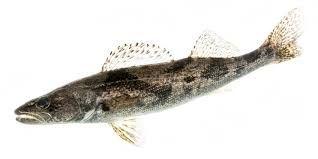
The Sauger (Sander canadensis) is a fascinating freshwater game fish belonging to the order Perciformes and family Percidae—the same family as walleye and perch. This bronze to olive-colored fish sports distinctive dark blotches along its elongated body and sports a pristine white belly that makes it instantly recognizable to seasoned anglers. What really sets the sauger apart is its rough texture, thanks to specialized teeth-like scales called ctenoid, and its striking absence of a white-tipped tail—the key feature that separates it from its close cousin, the walleye. Found throughout the central and eastern United States, particularly thriving in the muddy waters of major river systems and reservoirs, the sauger has earned its reputation as an aggressive game fish that attracts anglers from across the country seeking an exciting challenge.
One of the most intriguing facts about saugers is their occasional hybridization with walleye, creating a unique hybrid species called the "saugeye" that combines traits from both parents. This remarkable natural occurrence underscores how closely related these species truly are, yet the sauger remains distinctly valued by fishing communities for its spirited fight and surprisingly good eating qualities.
Sauger Habitat and Distribution
Saugers are light-sensitive specialists that prefer the dim, murky environments of muddy rivers, lakes, reservoirs, and tributaries where they can hunt under cover of darkness and reduced visibility. These bottom-dwelling fish thrive in warm waters ranging from 68 to 82.4°F and demonstrate a strong preference for hiding in vegetation, rocky crevices, and submerged structures where they can rest undisturbed during daylight hours. Their remarkable adaptability and highly migratory nature have allowed them to spread across much of North America, with their native stronghold centered in the Missouri and Mississippi River systems and the Great Lakes region.
Today, anglers can pursue saugers from New York to Alabama in the east, and from Wyoming to Oklahoma in the western portions of their range, with notable populations in Kentucky, Montana, and Ohio. Some of the most legendary sauger fishing destinations include Lake Sakakawea in North Dakota, Fort Peck in Montana, and the Cumberland River spanning Tennessee and Kentucky. These waters have become pilgrimage sites for dedicated sauger enthusiasts seeking trophy catches and consistent action throughout the fishing season.
Sauger Size and Weight
Saugers are classified as small to medium-sized fish, with typical specimens measuring between 12 to 13 inches in length and weighing around 1 pound. However, these fish have demonstrated impressive growth potential under the right conditions. The largest recorded sauger ever caught weighed a remarkable 8 pounds, while the longest specimen reached an impressive 21.8 inches. These maximum sizes represent exceptional catches that inspire anglers to refine their techniques and explore prime fishing waters. Understanding the average size range helps anglers set realistic expectations while remaining vigilant for the occasional trophy fish that exceeds typical proportions.
Sauger Diet and Behavior
As opportunistic bottom-feeders, saugers primarily consume insects, small crustaceans, and diminutive fish species that venture near their hiding spots. Their diet reflects their nocturnal hunting tendencies—they're equipped with specialized eyes adapted for low-light feeding, making them voracious hunters during dawn, dusk, and nighttime hours when visibility decreases and their sensory advantages shine brightest. During daylight, they remain largely sedentary, retreating to deeper waters, vegetation, and structural cover where they await the cover of darkness to become more active and aggressive hunters.
The species is known among anglers for its aggressive disposition when it does decide to feed, often striking with fierce determination that sends experienced fishermen's hearts racing. This combative nature, combined with their preference for spending daylight hours hidden away, requires patience, persistence, and strategic knowledge from anyone hoping to connect with these elusive predators.
Sauger Spawning and Seasonal Activity
Saugers enter their spawning season during March through May, when they become more catchable and aggressive as they prepare for reproduction. During this prime window, these fish are known to be particularly active and willing to strike lures and bait as their metabolism increases and feeding intensity peaks. Interestingly, saugers exhibit a rather laissez-faire approach to parenting—they lay their eggs in seemingly random locations throughout their habitat and then abandon them without any guarding behavior or nest maintenance, leaving their offspring to fend for themselves from the moment of hatching.
This spawning activity represents the most reliable period for consistent sauger fishing success, making spring one of the most anticipated seasons for dedicated anglers targeting this species across their range.
Sauger Techniques for Observation and Capture
Night and Early Morning Jigging: Since saugers are light-sensitive predators that feed most actively during low-light conditions, your best bet is to fish during nighttime or the first few hours after dawn. Focus on muddy areas with vegetation, fallen branches, and other structural cover where these fish hide during daylight. Use vertically-oriented jigs in bright colors like chartreuse, white, and orange—colors that stand out in murky water. Cast your jigs to the bottom (saugers typically hold at depths of 25 to 40 feet) and slowly retrieve with a lifting motion to tempt fish out of their hiding holes. This methodical approach rewards patience and persistence with exciting strikes.
Bottom Bouncing with Live Bait: Equip yourself with a seven to nine-foot rod rated for six to eight-pound test line, paired with a three to five-ounce bell sinker that keeps your bait on the bottom where saugers hunt. Use an eight to twelve-pound monofilament or braided line and attach hooks sized from #1 to 3/0 depending on your bait selection. Live minnows, crayfish, nightcrawlers, shiners, shad, and small panfish all work exceptionally well. Cast your rig into promising holes and structure, slowly retrieve along the bottom with gentle lifts to mimic injured prey.
Localized Tip—Great Lakes and Reservoir Success: Around major reservoirs like Lake Sakakawea and Cumberland River, focus on transition zones where muddy river channels meet clearer main-lake water. These boundaries concentrate saugers as they move between daytime refuge and nighttime feeding grounds. Fish the deeper edges of these zones during mid-evening to predawn hours for your best opportunities.
Sauger Culinary and Utilization Notes
Saugers offer average odds when evaluated purely for culinary quality, though their meat remains palatable and enjoys local appreciation in traditional fishing communities. The white, mild-flavored flesh works well in pan-frying, baking, and fish fries, particularly when prepared fresh shortly after capture. While not considered a premium food fish like walleye, sauger makes for respectable table fare that shouldn't be overlooked. Many regional restaurants and fish camps feature sauger on their menus during peak seasons, reflecting both its availability and acceptable taste profile. Anglers often find the experience of catching and preparing their own sauger more rewarding than the flavor alone might suggest.
Sauger Frequently Asked Questions
Q: What is the best bait for catching sauger?
A: Live minnows, crayfish, nightcrawlers, shiners, and shad all produce excellent results. The choice often depends on local availability and water conditions. Bright-colored jigs in chartreuse and white also work exceptionally well when jigging deep structure. Start with what's locally abundant and be prepared to experiment.
Q: Where can I find sauger near major fishing destinations?
A: Lake Sakakawea in North Dakota, Fort Peck in Montana, and the Cumberland River spanning Tennessee and Kentucky represent world-class sauger fisheries. Major river systems like the Missouri and Mississippi, plus Great Lakes tributaries, hold consistent populations throughout their native range from Wyoming to New York.
Q: Is sauger good to eat?
A: Yes, though they're considered average to good food fish rather than premium table fare. The white meat has a mild flavor and works well when pan-fried or baked fresh. Many anglers appreciate the full experience of catching and preparing their own sauger, even if the flavor alone doesn't rival walleye or other species.
Q: When is the best time to catch sauger?
A: Spring spawning season from March through May offers peak activity and catchability. During regular seasons, fish during nighttime hours and early morning when these light-sensitive fish are most active and aggressive. Avoid bright midday conditions when saugers retreat to deep cover and refuse to feed.
Q: How do I distinguish a sauger from a walleye?
A: The easiest way is to check the tail—saugers lack the distinctive white tip found on walleye tails. Saugers also have rougher skin due to their ctenoid scales, and tend to inhabit muddier water. When in doubt, examine that tail carefully.
Q: What equipment do I need for sauger fishing?
A: Use a seven to nine-foot rod rated for six to eight-pound line, paired with three to five-ounce bell sinkers for bottom fishing. Eight to twelve-pound monofilament or braided line works well. Hooks range from #1 to 3/0 depending on your bait, and bright-colored jigs in sizes that match your target depth prove highly effective for vertical jigging presentations.
Lake Trout Overview
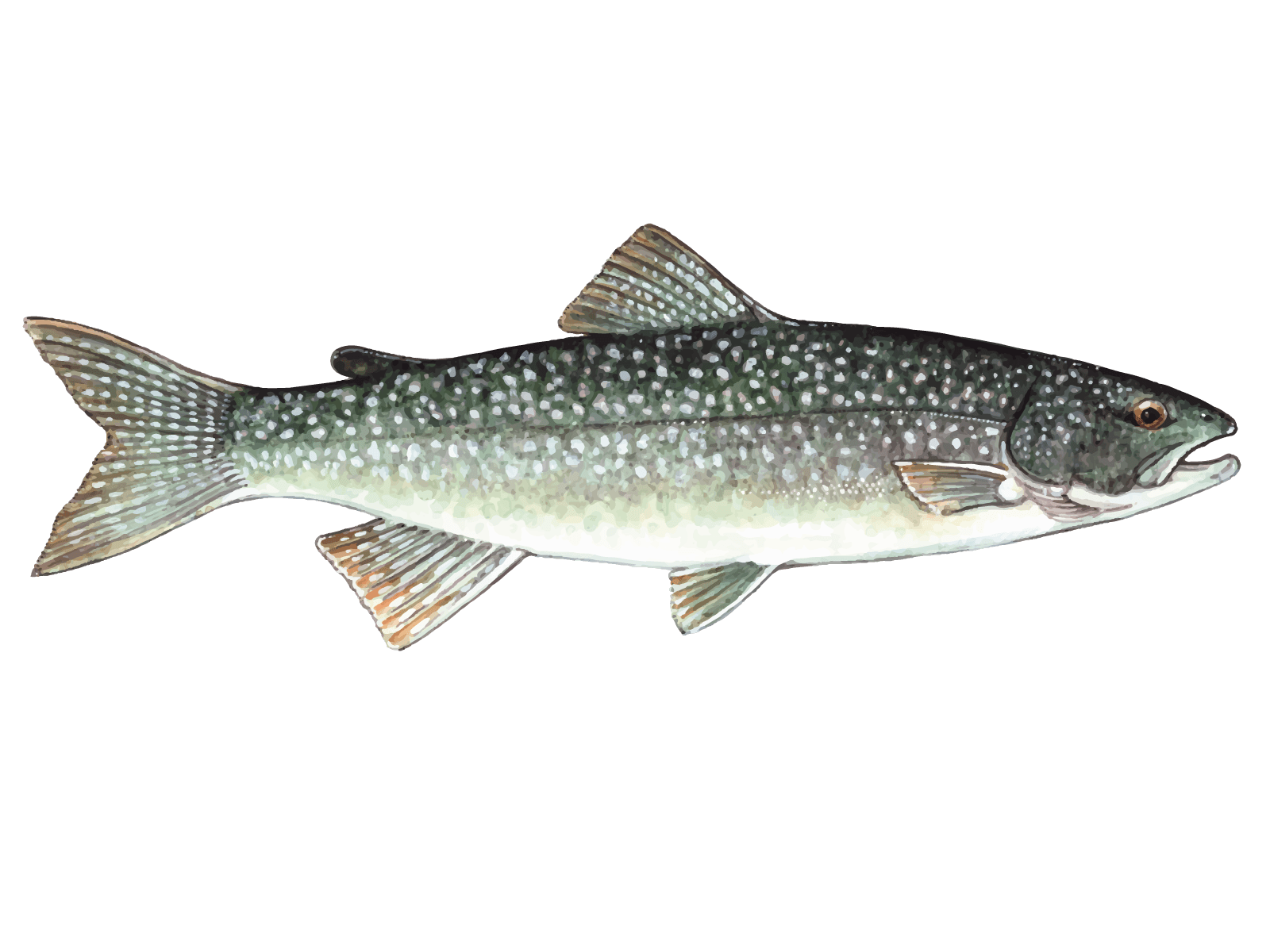
The Lake Trout (Salvelinus namaycush) is the largest member of the char family within the Salmonidae family and Salmoniformes order. These remarkable cold-water fish are distinguished by their grey to green coloring, lighter belly, and striking yellow to cream-colored markings across their body and fins. Lake trout are legendary among anglers for their challenging pursuit in deep, pristine waters and are the only major native game fish to inhabit the deep, cold waters of oligotrophic lakes in northern regions. What makes these fish particularly fascinating is their slow growth rate, late maturation, and notably low reproductive potential compared to other popular game fish species—qualities that make sustainable fishing practices especially important.
Lake Trout Habitat and Distribution
Lake trout are true specialists of cold-water environments and depend critically on high levels of oxygenation to thrive. These fish have a relatively narrow geographic distribution compared to other trout species, though their range is expanding through human introduction. Naturally, they're found throughout the northern reaches of North America, including the Great Lakes region, across Canada, parts of Alaska, and to a lesser extent the northeastern United States. In recent decades, lake trout have been artificially stocked in Europe—particularly in Scandinavian countries like Sweden—as well as in New Zealand, South America, and parts of Asia. Within their native lakes, these fish typically suspend themselves in the middle of the basin at considerable depths, where water temperatures and oxygen levels suit their demanding requirements. During summer months, lake trout in the southern portions of their range retreat to even deeper water where cooler temperatures persist.
Lake Trout Size and Weight
Lake trout are impressive fish and live up to their reputation as the largest char species. Typical catches range from 15 to 40 pounds, with average lengths falling between 24 and 36 inches. Anglers pursuing these deep-water dwellers should know that truly exceptional specimens do exist—the world record for lake trout caught on rod and reel was landed at Great Bear Lake in the Northwest Territories of Canada and weighed an astounding 72 pounds with a length of 52 inches. However, fish in the 25 to 59-inch range with weights between 5 and 15 pounds represent the more commonly encountered sizes for most recreational anglers.
Lake Trout Diet and Behavior
Lake trout are carnivorous predators that feed primarily on smaller fish species and aquatic organisms available in their deep-water environments. These fish are known to be light-sensitive and actively avoid bright conditions, making their feeding behavior most pronounced during overcast days, dawn, dusk, and nighttime hours. Understanding this preference is crucial for successful angling, as lake trout generally feed more frequently when light levels are low. Their behavior is largely driven by water temperature and oxygen availability—factors that dictate where they position themselves throughout the day and across seasons. Interestingly, lake trout can hybridize with brook trout to create a sterile hybrid species called splake, which fisheries managers stock in lakes across North America to provide additional sport fishing opportunities.
Lake Trout Spawning and Seasonal Activity
Spring represents one of the most productive times for targeting lake trout, particularly immediately after ice-out when water temperatures are at their coldest. During this period, fish move to relatively shallower waters compared to their typical deep summer and fall positions, making them more accessible to anglers. As water temperatures warm throughout spring and into summer, lake trout gradually migrate deeper to find the cool, oxygen-rich water layers they require for survival. Fall fishing can also be excellent as cooling water temperatures again draw fish toward shallower zones. Understanding these seasonal movements is essential for planning a successful lake trout expedition, as the same lake can require completely different fishing strategies depending on the time of year.
Lake Trout Techniques for Observation or Capture
Jigging Method: Jigging is the preferred and most effective technique for lake trout due to their deep-water habitat. Employ jigging lures like the Rapala Jigging Rap or lures that imitate wounded baitfish, as these closely mimic the natural prey these fish hunt in the depths. Jig heads fitted with soft plastic paddle tail swimbaits, skirted jigs, and bladed jigging spoons are all excellent choices that produce consistent results. The key is maintaining vertical contact with the lake bottom and working your lure with subtle, controlled movements that trigger strikes from suspended fish.
Trolling with Crankbaits: When targeting lake trout in deeper zones or when they're positioned higher in the water column, trolling with quality crankbaits is highly effective. This method allows you to cover more water and reach the precise depths where fish are holding. Crankbaits can be trolled along deep structure, drop-offs, and basin edges to locate active fish. This technique works particularly well in spring when fish are more distributed and less confined to extreme depths.
Spoon Fishing: Don't overlook traditional spoons when pursuing lake trout. These classic lures remain remarkably effective and can be used both while jigging vertically and while trolling. Spoons are particularly valuable when you're searching for fish across different depth zones, as they're simple to deploy and retrieve while covering water efficiently. Around lakes in northern Canada and the Great Lakes region, local guides often recommend starting with spoons early in the season to establish where fish are positioned.
Lake Trout Culinary and Utilization Notes
Lake trout have earned a reputation as good eating fish with firm, flavorful flesh that appeals to many anglers. The meat has a mild to moderately rich flavor profile and holds up well to various cooking methods including baking, grilling, smoking, and pan-frying. These fish are nutritionally valuable, providing excellent sources of protein and omega-3 fatty acids beneficial for cardiovascular health. However, some regional guidelines recommend limiting consumption of larger specimens due to potential bioaccumulation of environmental contaminants in deep-water ecosystems. Always check local fishing regulations and consumption advisories before harvesting lake trout, as these guidelines vary by lake and region and are designed to ensure both personal safety and sustainable fish populations.
Lake Trout Frequently Asked Questions
Q: What is the best bait or lure for catching lake trout?
A: Jigging is the most effective method, using lures like Rapala Jigging Raps, soft plastic swimbaits on jig heads, bladed jigging spoons, or traditional spoons. These lures best mimic the baitfish and small prey that lake trout hunt in deep water. The specific choice depends on water depth, season, and current fish positioning.
Q: Where can I find lake trout in Canada and the Great Lakes?
A: Lake trout thrive in deep, cold-water lakes throughout Canada, the Great Lakes region, and northern portions of the United States. The Great Lakes themselves—particularly Lakes Michigan, Huron, and Superior—offer excellent populations. In Canada, Great Bear Lake in the Northwest Territories is world-renowned for trophy lake trout fishing. Always consult local fishing reports and regulations for specific lake recommendations in your target region.
Q: When is the best time to fish for lake trout throughout the year?
A: Spring immediately after ice-out is often considered the prime season, as fish move to shallower water in the colder temperatures. However, fall can also be excellent as water cools again. Summer fishing requires targeting deep structures and basin zones where cooler water persists. Timing within the day is equally important—fish during overcast conditions or low-light hours when lake trout feed most actively.
Q: Are lake trout safe and good to eat?
A: Yes, lake trout are considered good eating fish with firm, flavorful meat that works well in many preparations. However, it's important to check local consumption advisories, as some deep-water lakes may have recommendations limiting harvest or consumption, particularly for larger specimens that may accumulate environmental contaminants. Always follow regional guidelines before harvesting.
Q: How deep do lake trout typically stay, and does this affect fishing strategy?
A: Lake trout are deepwater specialists that typically suspend themselves in mid-basin zones and at considerable depths, especially during summer when shallower water warms. This deep habitat is why jigging vertically is the most productive technique. In spring and fall, they move shallower, making them more accessible. Depth finders and sonar are invaluable tools for identifying where fish are positioned at any given time.
Q: Can lake trout be caught in smaller lakes, or do they require massive bodies of water?
A: While lake trout are typically associated with large, deep, cold-water lakes like those in the Great Lakes and Canadian shield regions, they can exist in appropriately sized lakes that meet their specific requirements: sufficient depth, cold water year-round, and adequate oxygen levels. Not all lakes can support lake trout populations, so it's essential to research your target water body before planning a fishing trip. Local fisheries departments can provide detailed information about which lakes in your area support viable lake trout populations.